
What Are Some AI Job Opportunities Available?
A guide to some of today’s most accessible AI jobs, what they involve, why AI is important for Africa, how Africans can build the skills needed to succeed in this fast-evolving field and income expectations.
Artificial intelligence (AI) is redefining workplaces worldwide, and Africa is becoming an increasingly important part of this transformation. As global organisations search for diverse talent and embrace remote work, AI job opportunities are opening faster than ever.
Notably, careers in artificial intelligence are no longer limited to big tech hubs but are becoming accessible to motivated job-seekers, including those across the African continent. Looking ahead, AI jobs in 2026 are expected to be even more varied, skill-driven, and increasingly remote-friendly, making now the perfect time to prepare.
Why AI Matters for Africa’s Workforce
According to the World Economic Forum, the AI revolution will create 170 million new roles by 2030. Hence, AI presents a unique chance for African professionals to participate in a high-growth global industry.
Many industries, including (but not limited to) finance, agriculture, health, customer support, logistics, and education, are integrating AI into their everyday operations. This shift creates demand for workers who can conceptualise, develop, test, monitor, or support AI systems.
For Africa specifically, AI matters because:
- Remote AI work opportunities are expanding: Many AI-related roles do not require geographical proximity.
- Youthful populations that can align with global skill needs: With training, young Africans can fill the demand for AI talent.
- AI boosts innovation in local industries: For example, AI-driven farming apps or fintech tools create new business models and jobs.
- Future competitiveness depends on digital skills: Countries currently investing in AI literacy will have stronger economies in future.
Because of these trends, careers in artificial intelligence offer both economic stability and long-term growth for African workers.
Skills Africans Need for Careers in Artificial Intelligence
AI careers are diverse, and not every role requires advanced knowledge. However, certain skills can help candidates stand out and access better roles.
Technical Skills
- Programming
- Machine learning fundamentals
- Data analysis
- Cloud platforms
- Version control
- Data annotation and labelling
- Prompt engineering
- AI model evaluation/testing
- Quality assurance
- Low-code/no-code (LCNC) automation tools
Soft Skills
- Clear communication
- Critical thinking and problem-solving
- Attention to detail
- Adaptability and willingness to learn new tools
- Time management and remote work discipline
- Collaboration across cultures and global teams
- Ethical reasoning and responsible AI awareness
No matter where you are starting from, both technical and soft skills can be learned and strengthened over time. Whether through university degrees, short online courses, or practical AI books, Africans can steadily build and continuously improve on the capabilities needed to compete for global AI job opportunities.
Remote AI Careers Accessible to African Talent
Thanks to technological innovation and global demand, Africans can now remotely access many careers in artificial intelligence without having to relocate. These roles allow professionals to work with international teams, gain experience, and earn globally competitive salaries.
Here are some AI job opportunities you’ll find on Remote4Africa.
- AI Trainer: Works on improving AI models by providing high-quality examples, correcting outputs, and helping systems learn specialised skills such as reasoning or summarisation.
- AI Evaluator: Reviews AI-generated responses for accuracy, clarity, and safety.
- AI Translation Evaluator: Checks the quality and accuracy of AI-powered translations. Bilingual or multilingual professionals are especially well-suited for this role.
- AI Specialist: A broad role that can include training models, managing AI tools, supporting clients, and improving workflows that rely on artificial intelligence.
- AI Content Specialist: Uses AI tools to create, edit, or enhance written and multimedia content. Great for individuals with experience in writing, editing, or digital marketing.
- AI Engineer: Builds and deploys machine learning models, works with data pipelines, and develops AI-driven solutions.
- AI Automation Engineer: Designs automated workflows using AI tools, helping teams streamline processes and reduce manual tasks. Often involves low-code or no-code automation platforms.
- Senior Lead Machine Learning Engineer (AI Agents): Advanced leadership role focused on building and scaling intelligent agent systems. Involves deep expertise in machine learning, model architecture, and system design.
- Generative AI and Data Science Intern: An entry point for students and early-career professionals interested in data science and generative AI tools. Provides practical industry experience.
- Data Scientist/Analyst: Analyses data, builds models, identifies patterns, and provides insights that guide AI system improvement. This role sits at the intersection of data analytics and machine learning and is central to many careers in artificial intelligence.
- Data Labeller (AI Images): Labels images to help computer vision systems learn. A role that requires significant attention to detail and serves as a gateway into more advanced AI careers.
- AI Assistant: Supports teams using AI tools, handles research tasks, organises information, and assists with AI-driven workflows.
These roles demonstrate just how diverse AI job opportunities have become, from beginner-friendly positions like Internship, Data Labeller and AI Evaluator to advanced engineering paths leading to AI agent development. As noted earlier, AI jobs in 2026 will likely be more diverse.
Income Expectations for AI Jobs
Salaries in the AI field can range from modest to highly lucrative, depending on a variety of factors, for example, the role, level of education/skills, experience, expertise, where you live, and whether you work locally or for an international company.
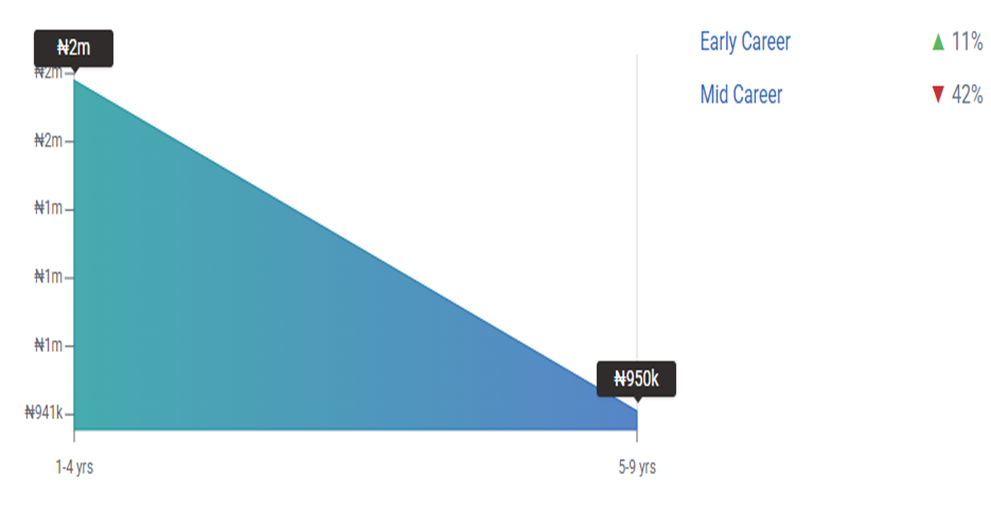
Understanding potential earnings helps you plan your career path, set realistic goals, and identify which AI job opportunities align with both the stage you are in your career and your financial expectations. An AI job salary example (data scientist) for four African countries is presented below with data from PayScale.
Nigeria (March 27, 2025): Average base salary – ₦1,650,000/year
Pay by Experience Level
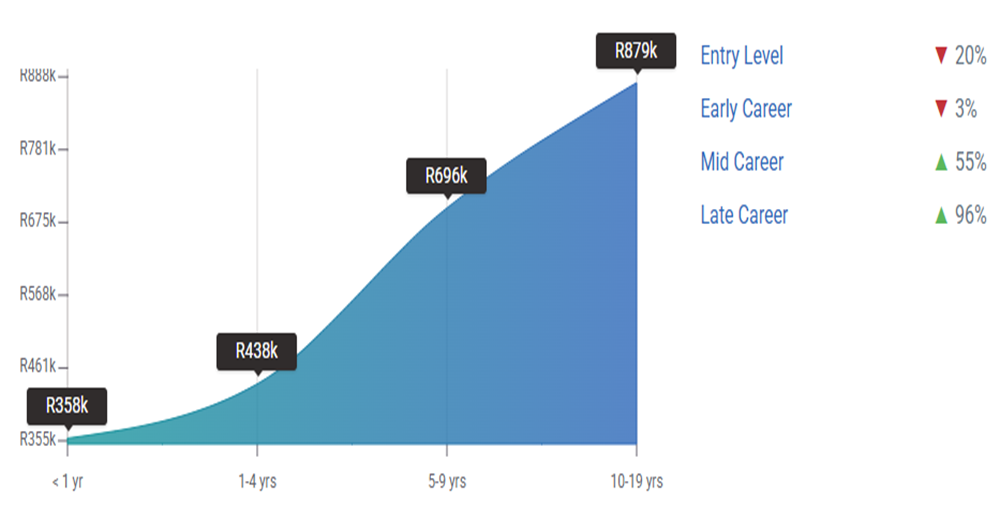
South Africa (November 6, 2025): Average base salary – R449,357/year
Pay by Experience Level
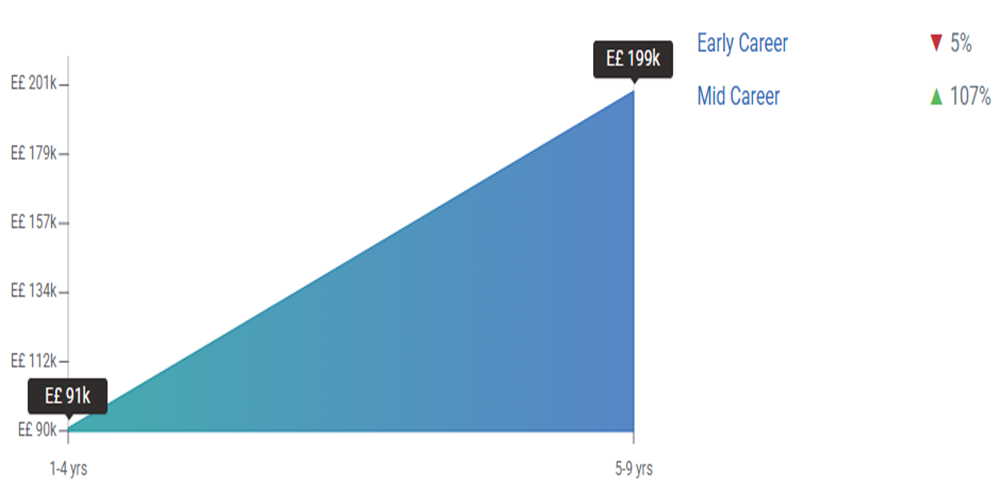
April Egypt (April 9, 2025): Average base salary – E£ 95,865/year
Pay by Experience Level
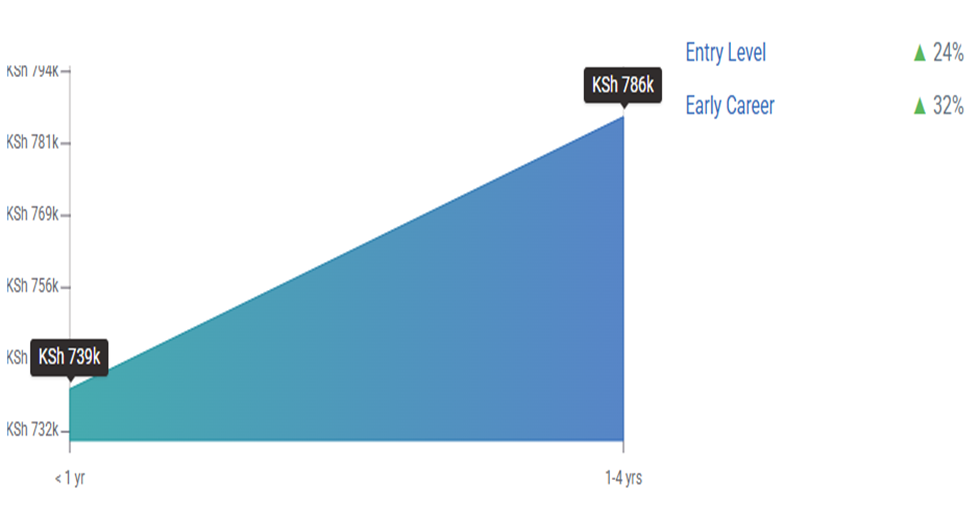
Kenya (September 3, 2025): Average base salary – KSh 594,952/year
Pay by Experience Level
Conclusion
AI is transforming the global job market, and Africa has a unique opportunity to take advantage of this transformation. With AI roles multiplying and becoming increasingly available remotely, Africans who invest in AI training and skills development today will be in the strongest position to land AI jobs in 2026 and beyond.