
How to Network Your Way to a Remote Job
Networking is often the missing link in landing a remote job. This guide, among others, breaks down how to network effectively online, grow visibility, and position yourself for remote work success
In a global remote market where employers can hire from anywhere, standing out often depends on who knows you and your work, not just what is written on your Curriculum Vitae.
This is where networking becomes a strategic advantage. Without geographic proximity or in-person offices, professionals rely on digital spaces to discover talent, exchange insights, and build trust over time. Learning how to navigate these spaces effectively can help you overcome the challenge of how to get a remote job.
This post explores how networking for remote jobs works in practice, where meaningful connections are formed online, and how to position yourself for remote opportunities through intentional online professional networking.
Understanding Professional Networking
At its core, networking is about building mutually beneficial relationships over time. In a remote context, this means showing up consistently in digital spaces, sharing value, and being known for what you do.
When companies hire remotely, they often look for signals beyond a résumé: clear communication, self-direction, reliability, and cultural fit. Networking helps surface those signals naturally. When someone has seen your ideas, conversations, or contributions online, you feel less like a risk and more like a known quantity.
Another key shift is understanding that networking happens long before a job is posted. Many remote roles are filled through referrals, internal recommendations, or quiet outreach before they ever reach a public job board. If your name comes up because you’ve already built relationships in the right communities, you’re ahead of most applicants.
Lastly, effective networking is a two-way street. Commenting thoughtfully on someone’s post, sharing a useful resource, or offering insight from your own experience builds goodwill. Over time, that goodwill turns into conversations, and conversations turn into opportunities.
Best Platforms for Remote Job Networking
Not all networking platforms are created equal, especially when your goal is remote work. Choosing the right spaces helps you connect with people who already understand distributed teams and remote-first culture.
Here are some top sites that can help you network your way to a remote job:
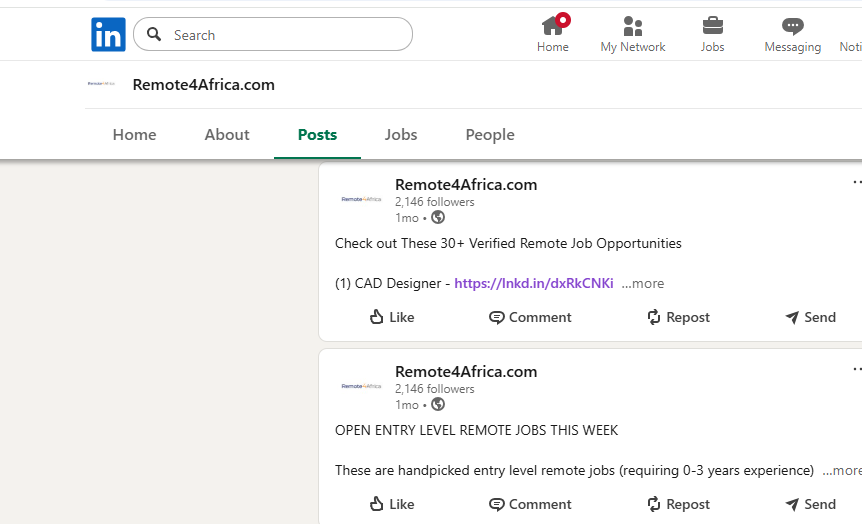
LinkedIn remains the most important platform for online professional networking. For remote job seekers, it’s not just a digital résumé; it’s a content and conversation platform. Many recruiters actively search LinkedIn for candidates who demonstrate expertise publicly.
A great example is Remote4Africa, a platform that actively posts remote job openings and networking opportunities for professionals across Africa.
Slack and Discord Communities
Slack and Discord communities focused on remote work or specific industries are often where some of the most rewarding connections happen. These spaces are more conversational and less performative than public platforms. Many of their communities have dedicated job channels where remote roles are shared before they appear elsewhere.
GitHub, Dribbble, Behance, or Medium
These spaces allow your work to speak for you. When recruiters or collaborators discover your articles or code, for example, networking happens organically through comments, stars, shares, and direct messages.
Twitter (X)
Twitter (X) is a powerful outlet for remote job networking across several industries. It’s common for job portals like Remote4Africa, founders and hiring managers to post about openings or future hiring plans on the platform (as shown below).

How to Build a Strong Online Presence for Networking
Your online presence is often one of the first impressions remote employers and other professionals have of you. Building a strong and consistent presence is critical for successful networking for remote jobs.
The following tips will help:
Optimise your core profiles: Start with the platforms where professional decisions are made, especially LinkedIn. Your headline should clearly state what you do and the value you offer, not just your job title.
Use your summary section to highlight your skills, experience, and interest in remote work concisely and authentically. A professional photo and consistent branding across platforms improve recognition and trust.
Demonstrate expertise through content: One of the most effective networking practices is to lead with value. Sharing relevant insights helps others understand your strengths. This does not require frequent posting.
Even occasional updates about industry trends, lessons learned, or helpful resources can position you as an engaged professional. People are more likely to recommend or refer professionals who consistently contribute rather than those who only appear when they need something.
Engage intentionally with others: Networking is built through interaction, not passive observation. Comment thoughtfully on posts, respond to discussions, and acknowledge others’ work. Meaningful engagement increases your visibility and helps establish familiarity over time.
Avoid generic responses and focus on adding context or insight to conversations. When reaching out to professionals, for example, reference a shared interest, a recent post, or their work experience. Strong networking for remote jobs focuses on relationship-building rather than immediate job requests. Keep messages concise and respectful of their time.
Maintain consistency and professionalism: Your online presence should reflect reliability. Regular activity, respectful communication, and clear positioning help reinforce your professional image. Over time, this consistency builds trust, which is essential when employers are hiring remotely without meeting candidates in person.
Finally, be patient. Networking should be a long-term strategy. It may not result in immediate job offers, but over time, consistent effort builds a strong professional network that supports your remote job goals.
Conclusion
Remote work rewards those who can connect, communicate, and contribute online. By understanding professional networking as relationship-building, choosing platforms where remote professionals already gather, and developing a clear, authentic online presence, you dramatically increase your chances of landing a remote role.
Start networking today on platforms like LinkedIn, Twitter (X), and others, where you can engage with remote work providers like Remote4Africa. Over time, your networking will start working for you.