
How Africans Can Secure Remote Project Management Jobs
Africans are confidently competing for remote project management jobs. Learn more about how you can become an expert project manager and land opportunities from far and near.
Companies worldwide rely on skilled project managers to coordinate teams, track deliverables/milestones, and ensure successful project outcomes. African professionals, whether beginners or experienced, can now remotely manage projects for companies in Africa, Europe, North America, Asia, and beyond. However, competition is also global, and success requires adequate preparation.
If you are an African interested in project management, knowledge of how Africans can get remote project management jobs will help you find a job faster.
Understanding Remote Project Management Jobs
Remote project management jobs involve managing projects without being physically present or on-site with your team. According to the Project Management Institute (PMI), the responsibilities of project managers include to:
- Identify the goals and scope of a project.
- Plan and document project tasks.
- Ensure the timely delivery of deliverables.
- Manage all resources involved in a project.
- Communicate effectively with stakeholders.
- Eliminate blockers and likely risks.
- Document the project process with a variety of project management tools.
- Ensure excellent results and project success.
Foundational Skills: Building Project Management Competencies
Before vying for remote project management jobs, African applicants must first develop a strong foundation in both technical and soft skills. Many employers also prioritise some years of experience.
A 2004 study published by the PMI identified three core project management competency areas: knowledge, proven experience and personality.
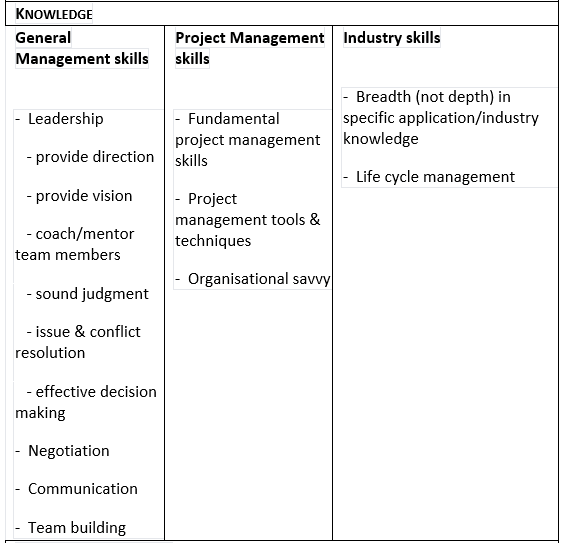
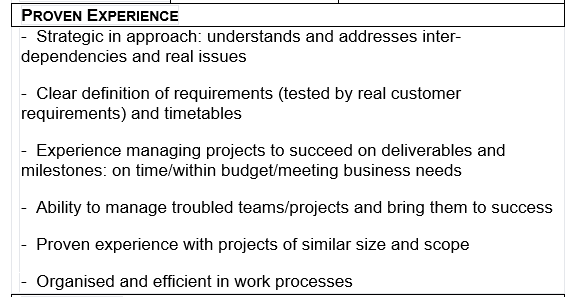
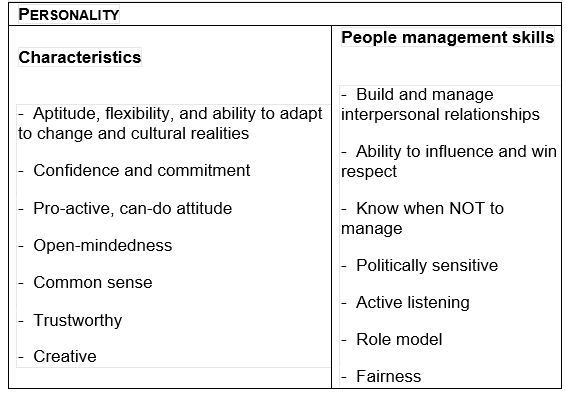
If you are an inexperienced entry-level job seeker fresh from university, you may feel you lack the proven experience aspect of these three core competencies. However, while you don't have conventional work experience, several other commitments can constitute experience in your CV/resume.
These may include tasks you led others to complete in your student days. It may also include volunteer work for NGOs, community-based organisations (CBOs), foundations, and other nonprofits.
Both the knowledge and personality core competency areas are mostly a combination of hard and soft skills needed to thrive in project management. The 2004 study notes that organisations place different emphases on these three competency areas, based on their culture.
Project Management Tools
To succeed, remote project managers must be proficient with the most widely used digital tools. Examples include:
- Microsoft Teams
- Google Workspace
- Trello
- Confluence
- Clockify
Mastering these tools shows employers that you can cope well with global remote team environments.
Project Management Books
"The man who does not read good books has no advantage over the man who cannot read them." – Mark Twain.
Here are some good project management books that can give you a competitive advantage in today’s tight remote work market:
- A Guide to the Project Management Body of Knowledge (PMBOK Guide) — by Project Management Institute (PMI).
- The Fast Forward MBA in Project Management — by Eric Verzuh.
- Project Management Absolute Beginner’s Guide — by Greg Horine.
- Scrum: The Art of Doing Twice the Work in Half the Time — by Jeff Sutherland (co-author in many editions with his son, J.J. Sutherland).
- Making Things Happen: Mastering Project Management — by Scott Berkun.
- Critical Chain — by Eliyahu M. Goldratt.
- Project Management: A Systems Approach to Planning, Scheduling, and Controlling — by Harold Kerzner.
Project Management Courses
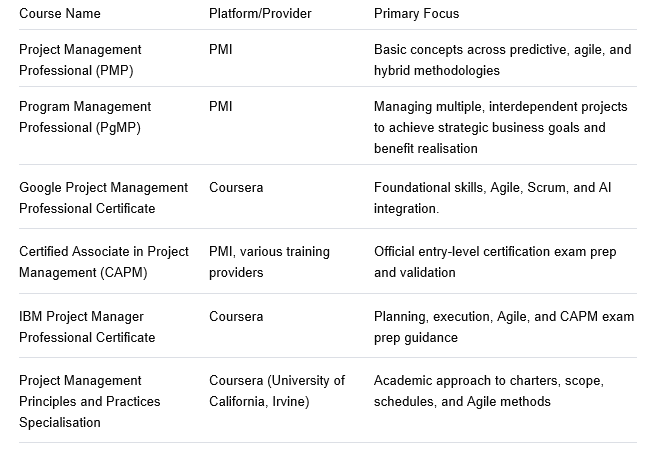
Even if you've acquired one or more degrees, a project management certification is a great way to convince employers of your competence. A certification from PMI, for example, can be a strong asset on your resume because the organisation is considered the industry leader by many employers. Below are a few project management courses to consider.
Remote Project Management Job Search Tips
Finding remote project management jobs requires strategising. Africans can increase their chances by using the following steps:
- Building a professional online presence (e.g. LinkedIn).
- Creating a portfolio of past projects (if possible).
- Searching on trusted remote job platforms like Remote4Africa.
- Tailoring applications to each specific job.
- Preparing well for virtual interviews.
- Considering freelancing (e.g., via freelancer.com).
Mastering the Remote Project Management Job Interview
Readiness for the demands and nuances of virtual work environments is key to succeeding in interviews for remote project management jobs.
Technical and Background Preparation
- Learn the interview technologies: Practice in advance with the specific video conferencing platform (Zoom, Microsoft Teams, etc.) that the interviewer(s) will use.
- Have a backup plan: Technical issues can occur. Have a contingency plan, such as a charged mobile phone for an audio or video call.
- Curate your background: Choose a well-lit space with a clean background and quietude to minimise distractions.
- Dress professionally: Dress as neatly and professionally as you would for an in-person interview.
Communication Skills Preparation
- Prioritise clear communication: Loudly practice mock interview sessions. Speak clearly, use a confident tone, and avoid interrupting others.
- Maintain virtual eye contact: Constantly look directly into the camera lens, rather than at the faces on your screen.
- Build rapport: Try to build a genuine connection with the interviewer(s) by being open and friendly.
Role-Specific Preparation
- Research the role and company extensively: Go beyond researching just the job description. Also research the company's history, leadership, culture, mission, vision, funding, goals, recent projects, and the specific tools they use.
- Prepare for role-specific questions: Be ready to answer a variety of questions, e.g., about your experience managing remote teams, handling time zones, ensuring accountability, and fostering collaboration in a virtual environment.
- Use the STAR method: For behavioural questions, use the Situation, Task, Action, Result (STAR) method to provide concrete examples of your problem-solving skills and accomplishments as a project manager.
- Showcase self-management skills: Highlight your ability to work independently, manage your own workflow, prioritise tasks, and maintain a healthy work-life balance. These are crucial traits for remote workers.
- Prepare thoughtful questions: Asking insightful questions at the end of the interview demonstrates your aptitude, analytical skills and genuine interest. Avoid questions with answers that are easily found on their website.
Post-Interview
- Send a thank-you note: Within 24 hours of the interview, send a short, personalised thank-you email to the interviewer(s). The note should reiterate your enthusiasm for the role.
Common Challenges Faced by African Project Managers and How to Overcome Them
Time-zone challenges: Familiarise yourself with global time zones and make use of scheduling tools. Combine this with clear communication through asynchronous and other tools that facilitate communication and collaboration.
Unreliable electricity: Consider securing backup power solutions to maintain productivity during outages. Examples include generators and renewable energy options.
Poor internet connectivity: If necessary, relocate to areas with stronger internet infrastructure and subscribe to multiple network providers. Additionally, adopt offline-friendly tools to ensure work continuity when the connection drops.
Payment limitations: No PayPal? No problem. Explore other reliable international payment systems to receive funds, including Western Union, Skrill, Payoneer, Xoom (a PayPal service), Wise, and reputable crypto exchanges.
Experience barriers: Start with freelance project management roles, volunteering for NGOs, and managing small projects to build your portfolio, among other options.
Skill deficiencies: Continuously improve your expertise by strengthening your current skills and actively learning new ones to remain competitive.
Irregular income: Build stability by expanding both your skill set and the variety of clients or platforms you work with.
Limited access to international opportunities: Build strong profiles on LinkedIn and remote job sites, join project management communities, and other kinds of networking.
Wage Trends
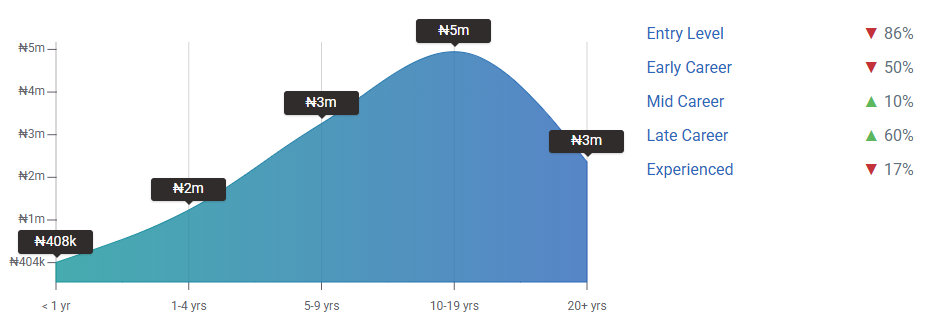
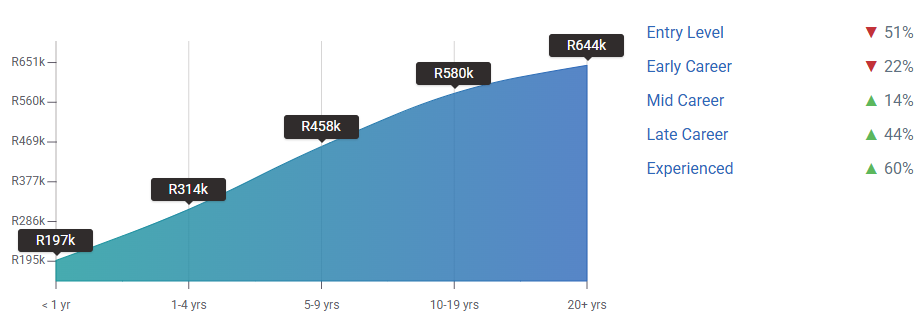
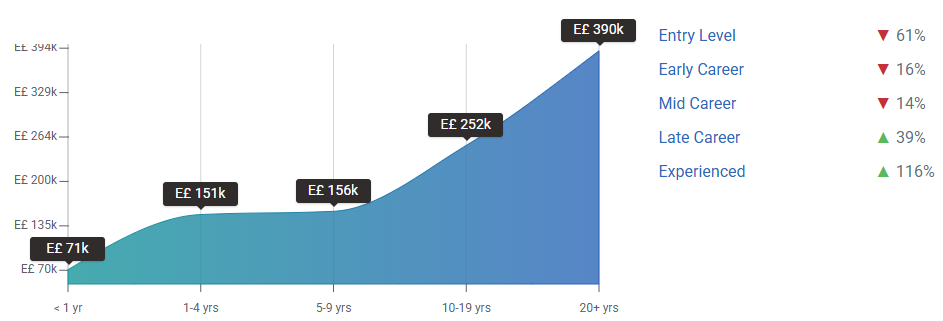
Wage rates are usually determined by variables such as experience, skill, location and industry/niche. Always research average wages to ensure you get decent pay for your efforts.
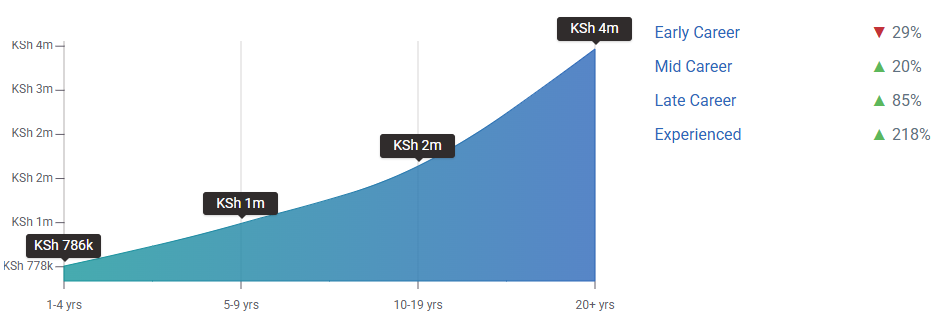
According to Payscale, the following are the average yearly pay by experience level for a project manager (unspecified type/general) in some African countries.
Nigeria: (November 19, 2025)
South Africa (November 17, 2025)
Egypt (August 17, 2025)
Kenya (June 15, 2025)
Conclusion
Remote project management jobs offer African professionals a pathway to global opportunities, higher income, and career flexibility. With the right skills, tools, books, certifications, job search strategies, and interview preparations, Africans can successfully compete and excel in remote project management jobs. Always stay in touch with Remote4Africa for the very latest remote project management jobs in Africa and beyond.