
8 Best African Cities for Remote Work in 2026
Could Africa be the next big hub for remote workers? Explore eight of its cities leading the competition to attract digital nomads from around the world in 2026.
Africa’s remote work scene is growing rapidly in 2026, with more cities offering reliable internet, expanding coworking ecosystems, affordable accommodation, and vibrant cultural experiences. From beach towns and startup capitals to historic cultural hubs, the continent now offers remote workers a wide range of lifestyles and work environments.
What Makes a City Remote-Work Friendly?
A remote-work-friendly city offers more than just internet access. Reliable connectivity is essential, but so are factors such as affordability, safety, transport systems, healthcare access, coworking spaces, and overall lifestyle quality. Many remote workers also look for cities with strong digital communities, networking opportunities, and flexible visa options for longer stays.
Cost of living plays a major role as well. A city may have excellent infrastructure, but if housing and daily expenses are extremely high, it may become less sustainable for long-term remote work. Climate, cultural experiences, and work-life balance also influence which destinations become attractive remote work cities in Africa.
8 Best African Cities for Remote Work in 2026
1. Cape Town, South Africa
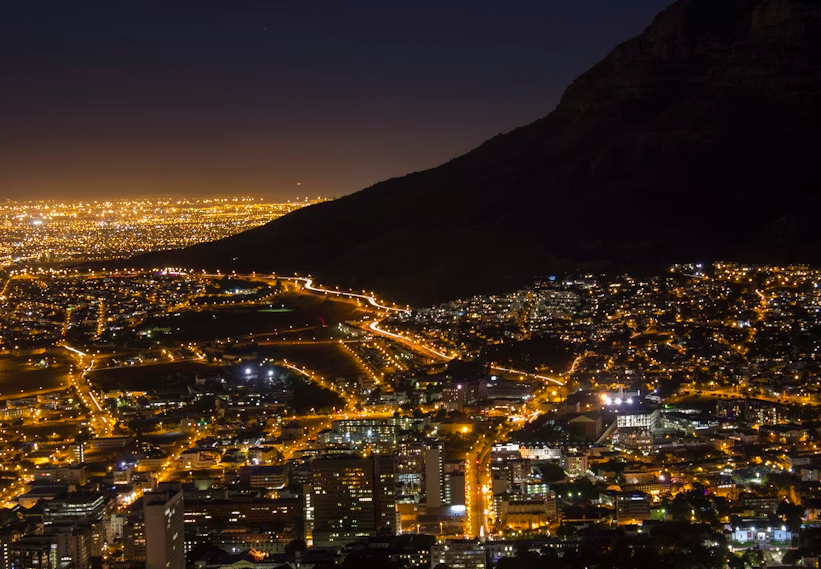
Cape Town is Africa’s most established remote-work city, combining world-class scenery with a mature coworking ecosystem that includes spaces like Workshop17, Ideas Cartel, and Cube Workspace. It is especially popular among startup founders, creatives, and European remote workers escaping winter.
Accommodation
Cape Town offers everything from luxury beachfront apartments and modern Airbnb studios to coliving spaces and boutique guesthouses. Sea Point, Gardens, Green Point, and Woodstock are the most popular areas for remote workers. Monthly studio apartments typically range from $700–1,450, while premium apartments can exceed $2,000 per month. Most quality rentals include fibre internet, security, cleaning services, and backup power.
Internet & Power
Fibre internet is excellent in neighbourhoods like Sea Point, Gardens, Green Point, and Woodstock, with typical speeds ranging from 100–200 Mbps. Load shedding still occurs occasionally, but most coworking spaces and premium apartments now provide generators or backup batteries.
Cost of Living Estimate
- Budget lifestyle: $900–1,200 per month
- Comfortable nomad lifestyle: $1,500–2,200 per month
Remote Work Visa
South Africa now offers a remote-work visa framework for qualifying foreign professionals.
Security
Safe in popular expat areas, though petty theft and car break-ins can occur in some neighbourhoods.
2. Nairobi, Kenya
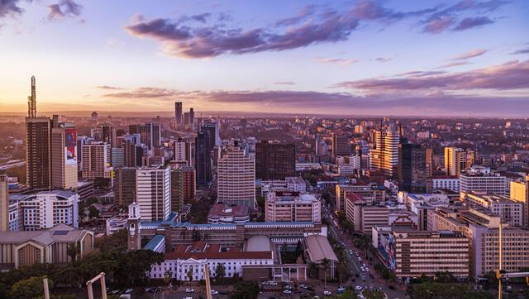
Nairobi is one of Africa’s leading tech hubs and a favourite for entrepreneurs, software developers, and startup teams, supported by major coworking spaces like Nairobi Garage, Ikigai, and Jenga Leo. The city offers one of the continent’s strongest professional networking environments.
Accommodation
Nairobi has a mature housing market for expats and digital nomads, especially in Westlands, Kilimani, Gigiri, and Karen. Remote workers typically stay in furnished apartments, serviced apartments, or Airbnb studios. Monthly studio apartments usually cost $600–1,200, while premium serviced apartments range from $1,300–2,500 per month. Most buildings include security, parking, reliable water systems, and generator backup.
Internet & Power
Fibre internet is reliable across Westlands, Kilimani, Karen, and Gigiri, with speeds commonly reaching 40–150 Mbps. Coworking hubs usually include generator backup and 24/7 access.
Cost of Living Estimate
- Budget lifestyle: $800–1,100 per month
- Comfortable lifestyle: $1,300–1,800 per month
Remote Work Visa
The Kenya digital nomad permit became fully operational in 2026.
Security
Moderately safe in expat-friendly districts, though traffic and occasional petty crime remain concerns.
3. Marrakech, Morocco
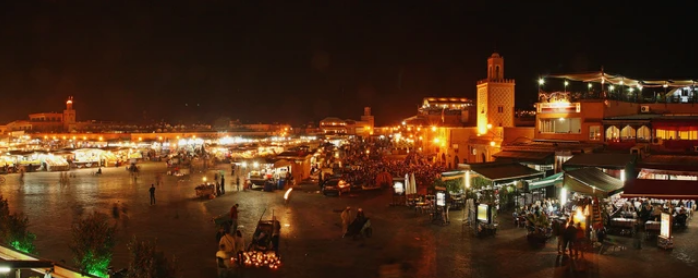
Marrakech has become one of North Africa’s most attractive digital nomad cities, offering affordable living, warm weather, and a growing coworking ecosystem featuring L’BLASSA, Goworking Marrakech, and CWC Hub. The city blends traditional native culture with modern nomad-friendly infrastructure.
Accommodation
Marrakech is known for its traditional riads, rooftop apartments, and boutique guesthouses, especially in Gueliz, Hivernage, and the Medina. Remote workers can find affordable long-stay rentals ranging from $450–900 per month for riad rooms and $700–1,450 per month for modern apartments. Many properties now cater specifically to digital nomads with rooftop workspaces, cafés, and strong Wi‑Fi.
Internet & Power
Modern districts like Gueliz offer strong fibre internet ranging from 50–300 Mbps, while older Medina riads may have less stable Wi-Fi. Electricity supply is generally reliable.
Cost of Living Estimate
- Budget lifestyle: $700–1,000 per month
- Comfortable lifestyle: $1,200–1,700 per month
Remote Work Visa
Morocco still does not have a dedicated digital nomad visa, but many nationalities receive 90-day visa-free access.
Security
Generally safe, though tourist-heavy areas may involve scams and aggressive street vendors.
4. Dakar, Senegal
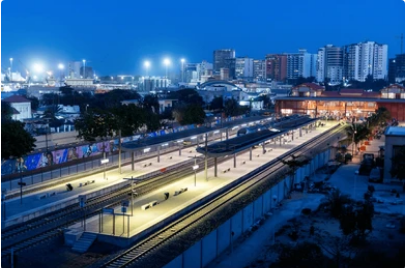
Dakar is an emerging remote-work hub for creatives, freelancers, and Francophone professionals, with a growing coworking scene that includes Jokkolabs Dakar, Woelab Dakar, and Impact Hub Dakar. The city combines Atlantic coastal living with a strong arts and music culture.
Accommodation
Dakar offers furnished apartments, shared villas, and boutique guesthouses, especially in Almadies, Ngor, Plateau, and Mermoz. Ocean-view apartments are popular among remote workers seeking coastal living. Monthly studio apartments usually cost $700–1,300, while upscale apartments often exceed $1,500 per month.
Internet & Power
Fibre infrastructure has improved significantly in Almadies and Plateau, with good mobile internet coverage and fairly reliable electricity.
Cost of Living Estimate
- Budget lifestyle: $800–1,100 per month
- Comfortable lifestyle: $1,200–1,900 per month
Remote Work Visa
No dedicated digital nomad visa currently exists in Senegal.
Security
Relatively stable and safer than many large regional capitals.
5. Kigali, Rwanda
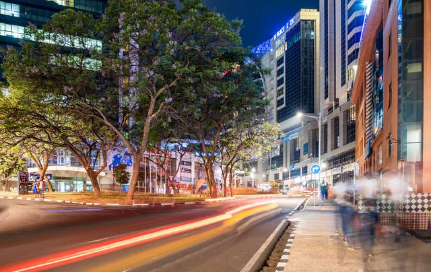
Kigali is Africa’s cleanest and safest capital city, increasingly popular among remote workers seeking calm, reliability, and productivity, with coworking hubs such as Norrsken Kigali House, Impact Hub Kigali, and The Office Rwanda supporting the city’s growing startup ecosystem.
Accommodation
Kigali has one of Africa’s cleanest and most organised housing markets, with secure compounds, furnished apartments, and coliving spaces concentrated around Kiyovu, Kimihurura, Remera, and Nyarutarama. Furnished apartments generally range from $500–1,000 per month, while premium villas and upscale apartments exceed $1,500 per month. Most properties offer stable utilities, cleaning services, and strong security.
Internet & Power
Kigali offers some of Sub-Saharan Africa’s most stable internet and electricity infrastructure, with fibre speeds commonly between 30–100 Mbps.
Cost of Living Estimate
- Budget lifestyle: $700–1,000 per month
- Comfortable lifestyle: $1,200–1,600 per month
Remote Work Visa
Rwanda is developing a flexible long-stay and remote-worker visa system.
Security
One of Africa’s safest cities for solo travellers and digital nomads.
6. Dahab, Egypt
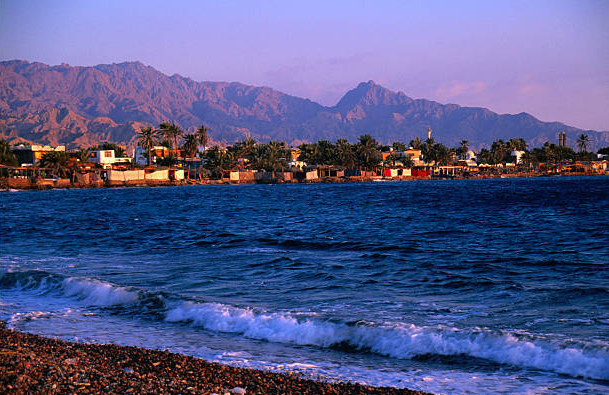
Dahab is a laid-back Red Sea beach town popular with minimalist digital nomads, divers, and freelancers, with coworking-friendly cafés and spaces such as CoworkInn Dahab, Sunny Side Up, and Coral Coast Coworking helping support its growing remote-work community.
Accommodation
Dahab is one of Africa’s most affordable digital nomad destinations, offering beach huts, guesthouses, furnished flats, and diving hostels around Lighthouse, Mashraba, and Assalah. Studio apartments usually cost $250–600 per month, while beachfront apartments range from $700–1,200 per month. Accommodation is simple but affordable and often within walking distance of cafés and the beach.
Internet & Power
Internet quality has improved considerably in 2026, though many remote workers still rely on mobile hotspots as backups for important meetings.
Cost of Living Estimate
- Budget lifestyle: $500–800 per month
- Comfortable lifestyle: $1,000–1,200 per month
Remote Work Visa
Egypt currently relies mainly on tourist visas and extensions.
Security
Tourist areas are generally safe, though travellers should remain aware of regional advisories in Sinai.
7. Accra, Ghana
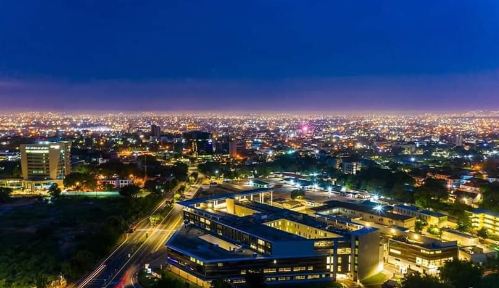
Accra is one of West Africa’s friendliest and fastest-growing digital nomad destinations, supported by coworking hubs like Impact Hub Accra, Kukun, and Basecamp Initiative Centre. Its English-speaking environment and strong diaspora connections make integration easy for international remote workers.
Accommodation
Accra offers modern serviced apartments, gated apartment complexes, Airbnb studios, and shared villas in neighbourhoods like East Legon, Osu, Cantonments, and Airport Residential. Studio apartments typically cost $700–1,300 per month, while luxury serviced apartments often exceed $1,800 per month. Most premium buildings include backup generators, fibre internet, gyms, and security guards.
Internet & Power
Fibre internet has improved significantly in East Legon, Cantonments, and Airport Residential, though occasional outages still happen.
Cost of Living Estimate
- Budget lifestyle: $900–1,200 per month
- Comfortable lifestyle: $1,500–2,000 per month
Remote Work Visa
Ghana currently has no formal remote-work visa program.
Security
Politically stable and generally safe for visitors.
8. Cairo, Egypt
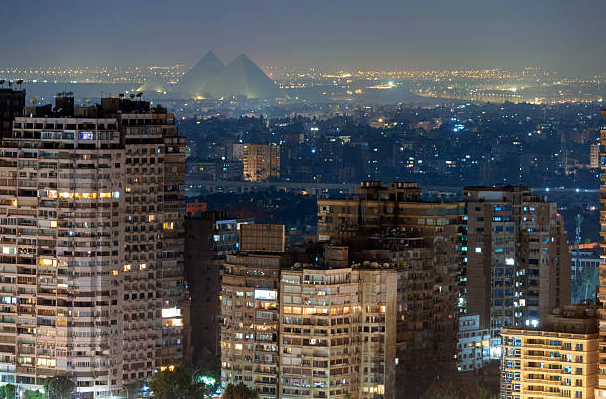
Cairo combines affordability, massive urban energy, and deep historical significance, while developing a strong coworking culture around spaces such as The District, MQR Spaces, and Consoleya. It is especially attractive for remote workers who want big-city convenience at relatively low costs.
Accommodation
Cairo provides excellent value for remote workers, especially in Zamalek, Maadi, New Cairo, and Downtown Cairo. Accommodation options include furnished apartments, serviced residences, and shared flats. Furnished apartments typically range from $450–900 per month, while luxury apartments begin around $1,500 per month. Long-term rentals are particularly affordable compared to Europe or Gulf cities.
Internet & Power
Modern districts like Zamalek and New Cairo provide reliable fibre internet and stable electricity suitable for video calls and software work.
Cost of Living Estimate
- Budget lifestyle: $700–1,000 per month
- Comfortable lifestyle: $1,300–1,800 per month
Remote Work Visa
Egypt currently relies on tourist visas and extensions for most remote workers.
Security
Tourist zones are generally safe, though congestion and traffic are major lifestyle challenges.
Tips for Choosing the Right City
The best city for remote work depends heavily on your priorities and work style. Some remote workers value power supply, fast internet and professional networking above all else, while others prioritise affordability, climate, quietude, or lifestyle experiences. Community matters too. Remote work can sometimes feel isolating, so cities with active coworking spaces, networking events, and digital communities often provide a better long-term experience.
Before relocating, research security, visa requirements, healthcare systems, living costs, housing/coworking space options, power supply and internet reliability carefully. It is also important to consider time zone compatibility if you work with international clients or global teams. Testing a city through a short-term stay before committing long-term can help you make a more informed decision.
Conclusion
Africa is becoming an increasingly attractive destination for remote professionals seeking flexibility, affordability, and opportunity. From established business hubs to emerging digital nomad destinations, the best African cities for remote work continue to evolve as infrastructure and technology improve across the continent.
Choosing among the top remote work cities in Africa ultimately depends on your professional needs, lifestyle goals, and budget. With careful planning, remote workers can find cities that support both productivity and a more balanced way of living.